
HEALTHCARE QUALITY BY
DESIGN
So that health is easier
My cross-industry expertise in quality methods and tools helps teams solve complex problems and drive better results. I harness the power of your team to uncover causes of variation, gain clarity on user needs and understand important systems’ dynamics needed to design a better system… quality by design.
SERVICES
You may need help with...
A Healthcare Research Study
Methods
Publications
Fault Tree Analysis.
McElroy LM, Khorzad R, Rowe TA, Abecassis ZA, Apley DW, Barnard C, Holl JL.
Door-In-Door-Out Process Times at Primary Stroke Centers in Chicago.
Prabhakaran S, Khorzad R, Parnianpour Z, Romo E, Richards CT, Meurer WJ, Lee J, Mendelson SJ, Holl JL.
Design thinking to improve healthcare delivery in the intensive care unit: Promise, pitfalls, and lessons learned.
Krolikowski KA, Bi M, Baggott CM, Khorzad R, Holl JL, Kruser JM.
Evaluating Acute Stroke Diagnosis Using Simulation Scenarios.
Liberman AL, Apley D, Zhu J, Romo E, Holl JL, Khorzad R, Maas M, Mendelson SJ, Richards CT, Song S, Prabhakaran S.
Applying fault tree analysis to the prevention of wrong-site surgery.
Abecassis ZA, McElroy LM, Patel RM, Khorzad R, Carroll C 4th, Mehrotra S.
Mapping the process of ICU care delivery to improve treatment decisions in acute respiratory failure.
Kruser JM, Viglianti EM, Mylvaganam R, Krolikowski KA, Khorzad R, Detsky ME, Wiegmann DA, Wunderink RG, Holl JL.
Employing user-centered design and education sciences to inform training of diabetes survival skills.
Prince G, Rees Lewis D, Pollack T, Karam S, Touma E, Khorzad R, Cooper Bailey S, Gatchell D, Ankenman B, Kravarusic J, Sabol T, Holl J, Wallia A.
Failure mode and effects analysis: a comparison of two common risk prioritisation methods.
McElroy LM, Khorzad R, Nannicelli AP, Brown AR, Ladner DP, Holl JL.
Academic-Community Hospital Comparison of Vulnerabilities in Door-to-Needle Process for Acute Ischemic Stroke.
Prabhakaran S, Khorzad R, Brown A, Nannicelli AP, Khare R, Holl JL.
Operating room to intensive care unit handoffs and the risks of patient harm.
McElroy LM, Collins KM, Koller FL, Khorzad R, Abecassis MM, Holl JL, Ladner DP.
A Priority Project/ Strategic Initiative
Expertise
Case Studies
Emergency Department Capacity through Process Redesign
Nurse to Nurse handoff
95% improvement in the percent of patients transitioning from ED to hospital in less than 45 minutes.
Stroke Transfers
Door in - Door Out process
Uncovering and disseminating key insights for the redesign of an emergency care process.
Hospital Discharge Coordination
Hospital coordination of discharges to meet daily demand
Significant reduction in time spent (~20%) on a key daily process that supports hospital patient flow.
A Workshop, Webinar or Class
Tools
Webinars & Workshops
Rebeca explains ...Mapping workflows in Healthcare: A Preparatory Step for Finding Applications of AI/IT
Speaker
ViewA One-time Advisory Call or Other
Topics
PARTNERS

MISSION
Arvin advances people’s health by partnering with teams leveraging quality engineering, systems and design thinking to co-create new tools and processes that make staying healthy, receiving healthcare or healing more effective, affordable and human centered. So that health is easier.

MY STORY
As a quality engineer in manufacturing, I was driven by the pursuit of safety, consistency, and cost-effectiveness. Years later, as I experienced our healthcare system, each encounter made me realize there was a great need to design better tools and processes. This led me to learn the complexities of care processes and the multidisciplinary collaborations needed to be successful in driving change.
I have worked in healthcare since 2013, co-creating systems with clinical teams passionate about improving health services and hospital operations for better patient outcomes and experience.
Arvin Consulting emerged from the desire to expand my work, supporting diverse teams in developing improved systems that impact people's health - both inside and beyond clinical environments. I partner with health services researchers and organizations that help people keep healthy or regain health, such as food innovators, movement experts and educators.
Education / Certifications



Education / Certifications
Adjunct
Lecturer


Adjunct
Lecturer

WHAT DO I MEAN BY SYSTEMS?
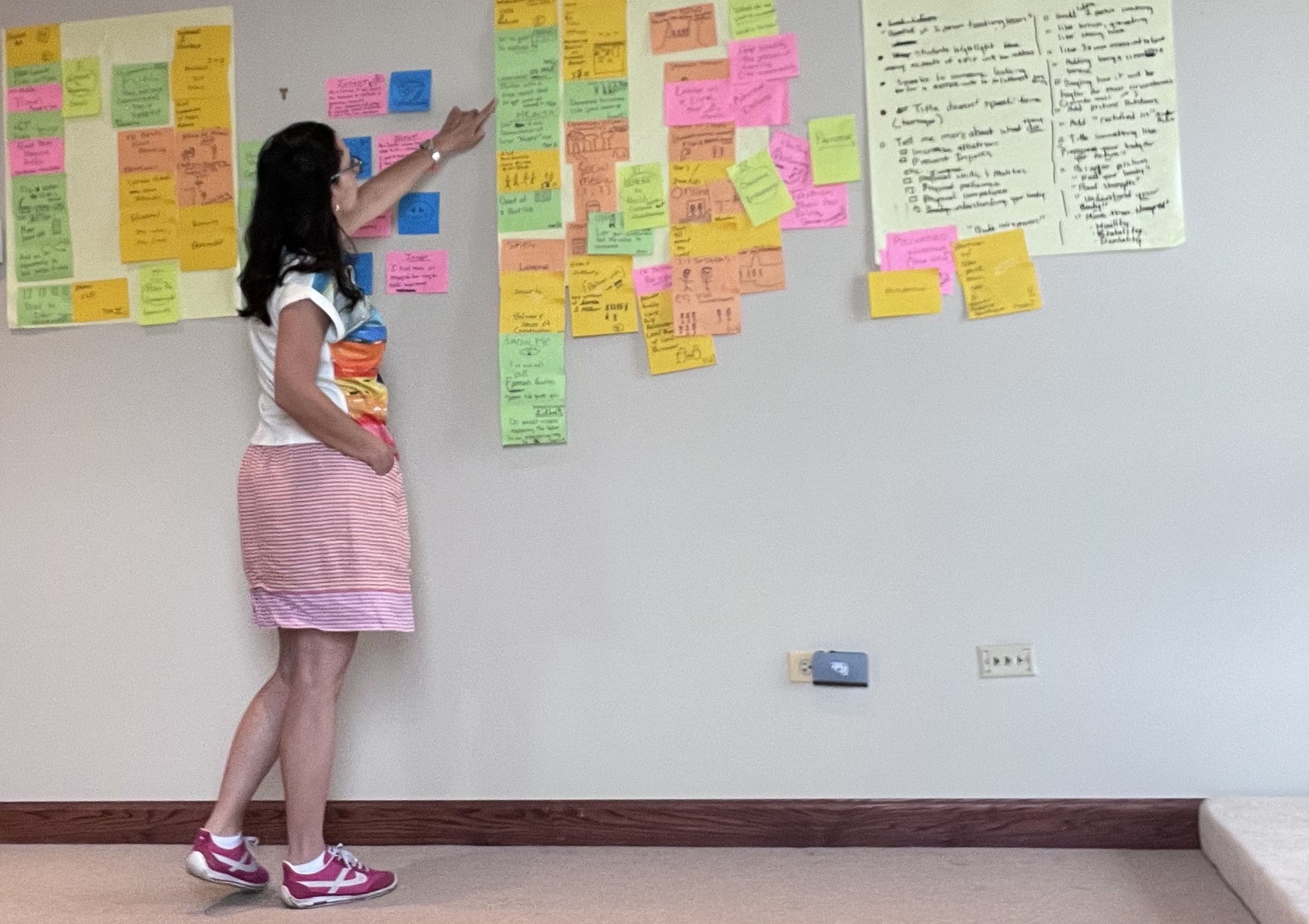
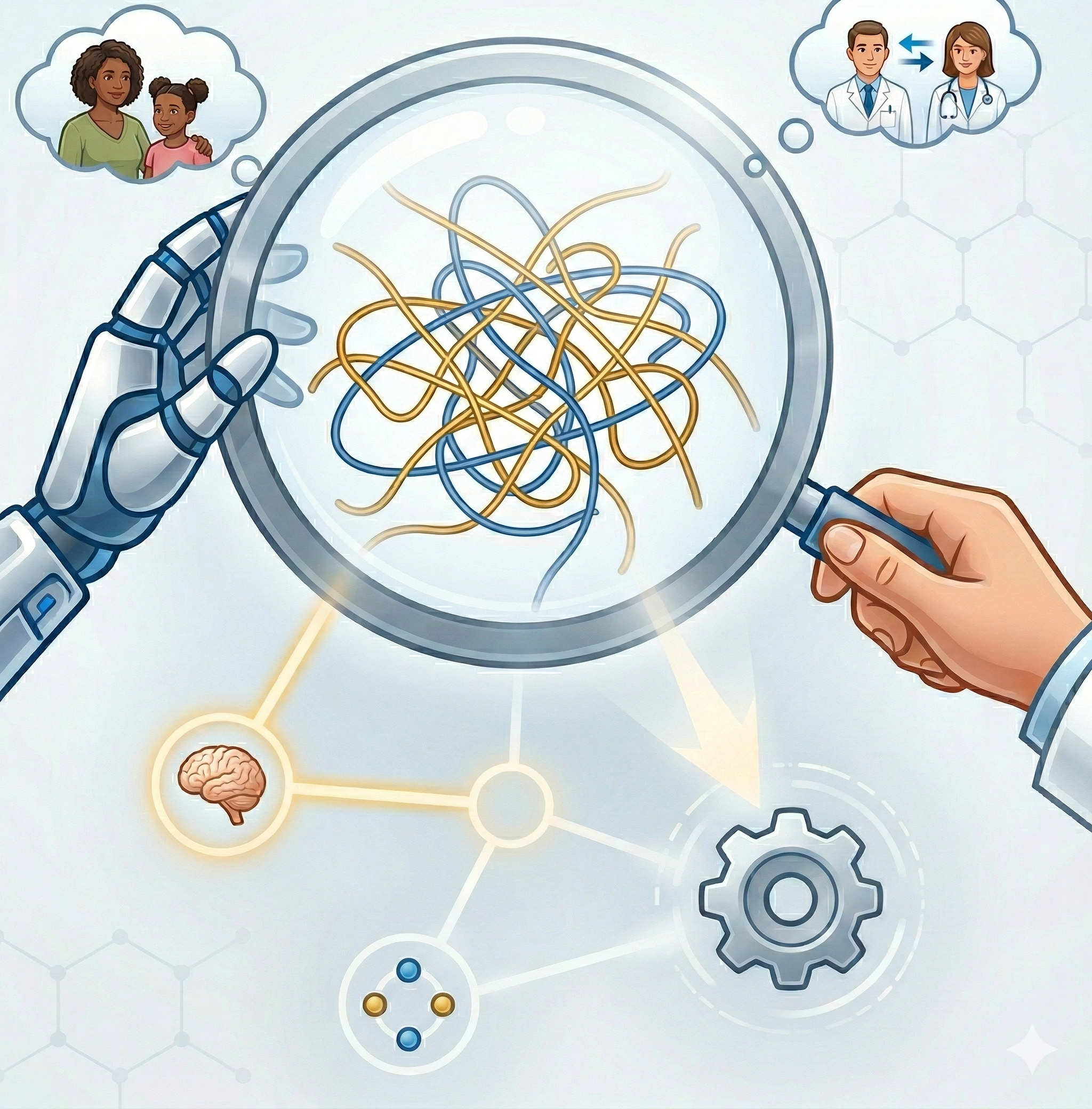
A system is a collection of elements that, through their interactions, create a specific outcome or outcomes that do not exist in the individual parts. Think of a light bulb, a switch and a wire, light can be the outcome but only if they are an integrated system with a specific purpose.To create products or services of the highest quality, we must make sense of the dependencies between people, process and tools. My approach maps these dependencies to reveal leverage points to develop and/or integrate solutions more naturally.
Understanding of the system in which your problem 'lives', is crucial for creating effective solutions . To do so, we must look beyond the product itself and consider the broader system it belongs to. For instance, if the aim is to prevent diabetes using a Continuous Glucose Monitor (CGM), it's important to consider factors such as app compatibility with various devices, insurance coverage, and patient attitudes toward using a CGM. All these elements together influence how effective the solutions will be.
SYSTEMS IN ACTION
Adding Emergency Department Capacity Through Process Redesign
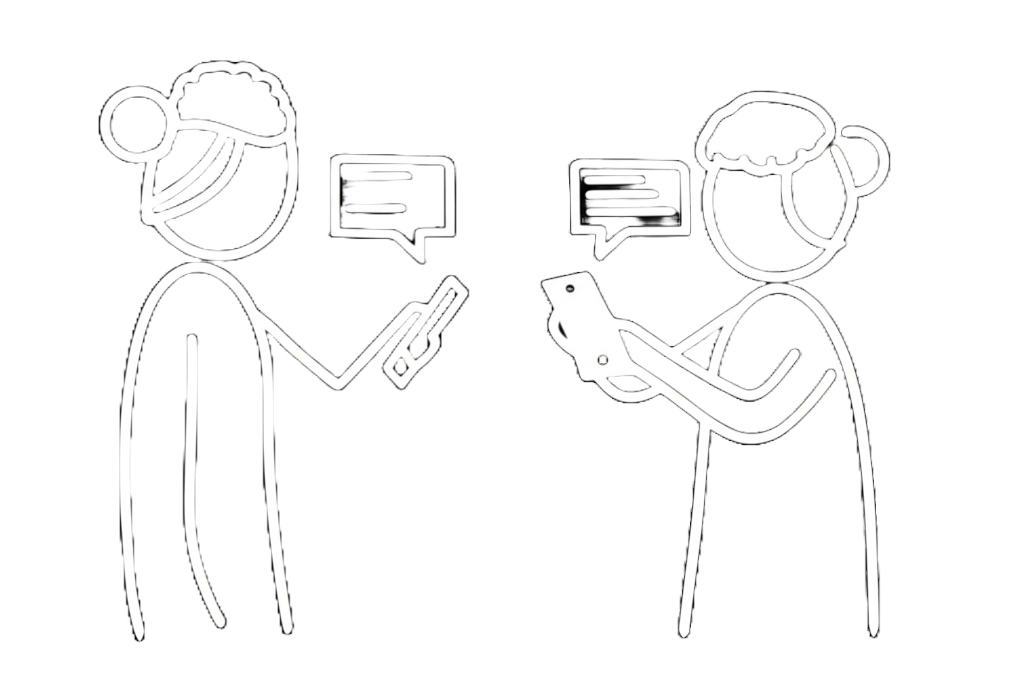
- New Tools: A semiautomated template integrated in the electronic medical record (EMR); A templated text in the smartphone app that has an interphase to the EMR to communicate directly with teams working in the receiving hospital unit.
- New Processes: ED nurse completes the EMR template asynchronously (instead of a synchronous phone call), ED nurse sends a group text alert to the team in the receiving unit and can be reached directly for questions and ED nurse enters the request for transport (without having to wait for a call back)
- New Protocols: the sub process metric was moved from the ED dashboard to the Inpatient dashboard
- New Mental Models: Anyone in the receiving unit can help greet the patient (if the patient nurse is busy), the safety of the patient waiting in the ED is as important as the safety of the patient being admitted (they are all our patients), the information that is important to an ED nurse is not always the information important to the receiving nurse (follow the template created by inpatient nurses)
Making a Key Healthcare Operations Process Visible Through Automation
- New Tools: Three EMR dashboards programmed in alignment with the methodology to meet demand, custom icons in EMR, custom lists within existing windows of EMR, automatic reports
- New Processes: Nurses add information in new sections of EMR (vs paper), Use of new dashboards to report and facilitate the daily meeting, case management and other clinical teams can leverage the visibility of the process act promptly to facilitate discharges
- New Protocol: A less technical team member can facilitate the daily meeting with the use of the new tools.
- New Mental Models: the dashboard feature of the electronic medical record does not have to be used as a "real time" information tool, it can be used as a once-a-day information tool to facilitate an important operations process.
Explaining Key Reasons for Delays in Stroke Transfers
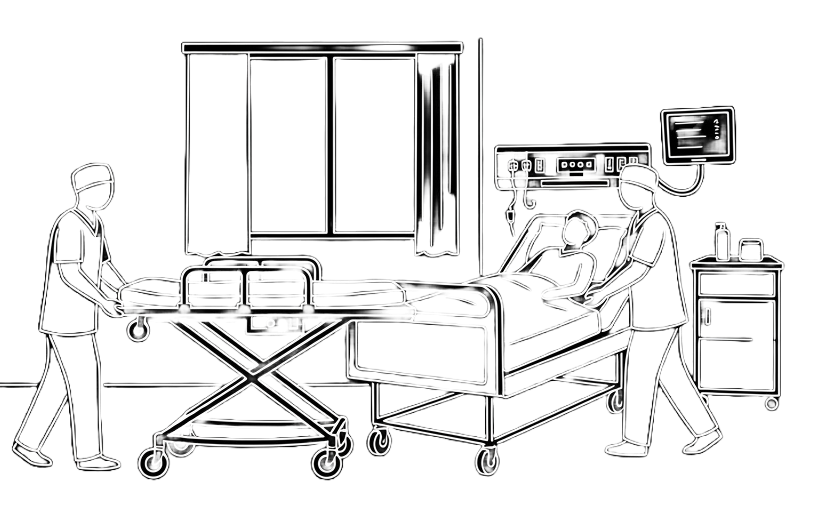
- Process: The 'transfer ambulance request' process was uncovered as a key process to reduce the Door in-Door Out time as well as 'imaging tests' sequence.
- Tools needed: tools that enable visibility of a potential transfer sooner (e.g., screening tools prior to full assessment exams), more integrated communication between hospital and ambulance organizations, bundle imaging orders for potential transfers
- Mental models needed: Any team member can be trained to perform a screening test, not only the doctors.
J Am Heart Assoc. 2021;10:e021803. DOI: 10.1161/JAHA.121.021803
Understanding variation in care in the Intensive Care Unit
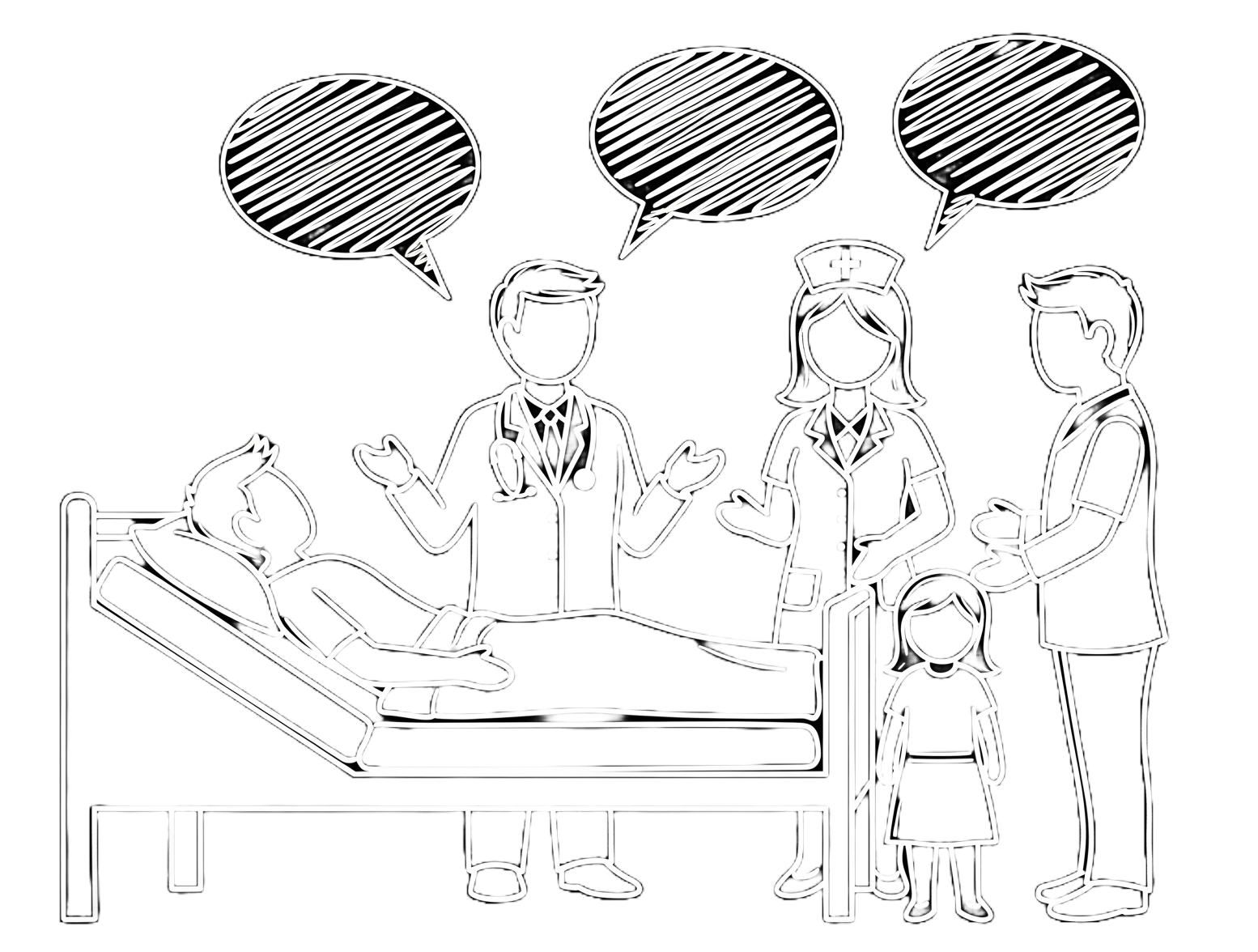
- Tools needed: Decision support tool that considers the physiology and stability of the patient and time elapsed to alert team and prevent unintentionally bypassing the step.
- Mental models needed: think of deliberation processes as part of care, a need to have vs an Ad Hoc process.
IISE Transactions on Healthcare Systems Engineering https://doi.org/10.1080/24725579.2023.2188319
“Working with Rebeca was like flipping on the lights. She helped us talk directly with some of our clients, asked the right questions, and guided key brainstorming sessions that got us to the heart of our marketing and business strategy. Through her process, we gained clarity on who we serve, why it matters, and how to communicate that more effectively. Rebeca helped us reconnect to the foundation of our business so we can show up stronger, clearer, and more aligned with the people who need us most”
FUNDED BY



Let's work together...
What can I do for you?
so that health is easier